Introduction
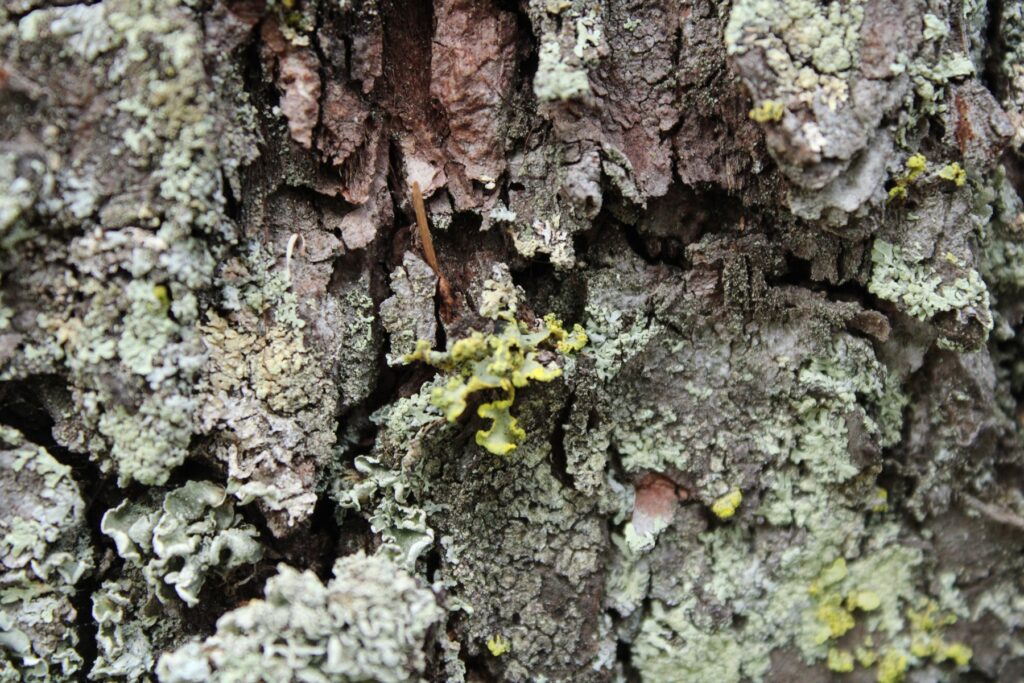
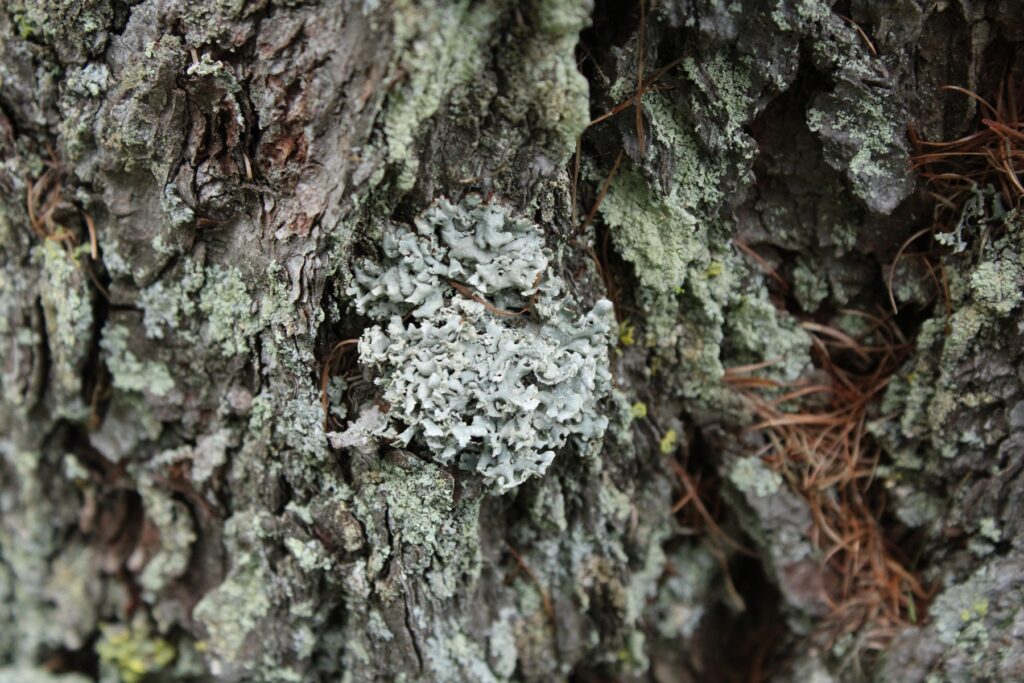
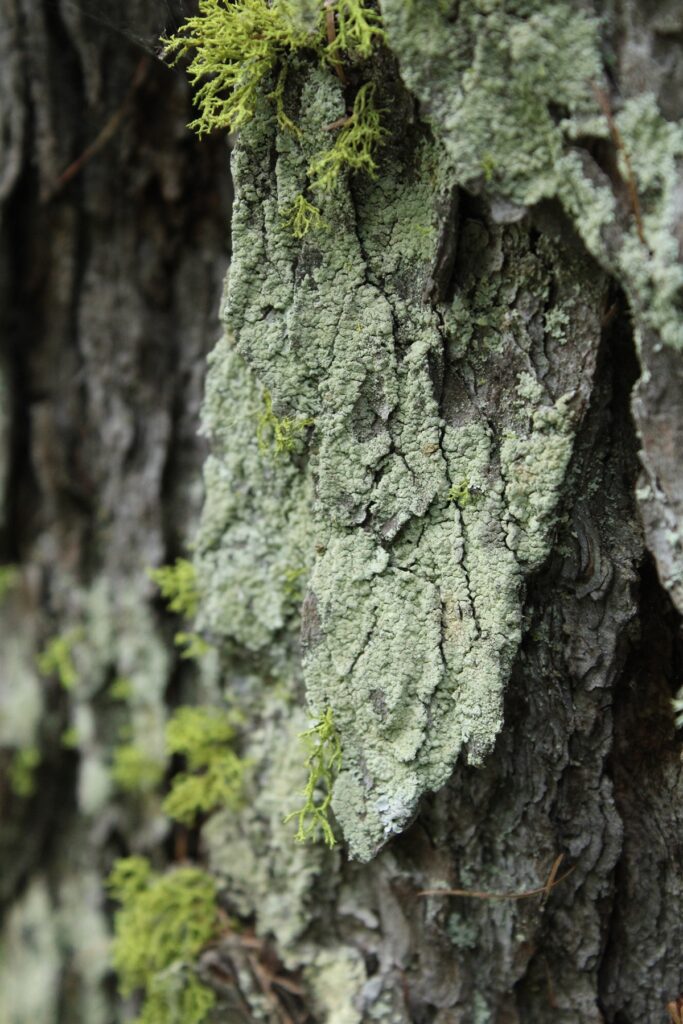
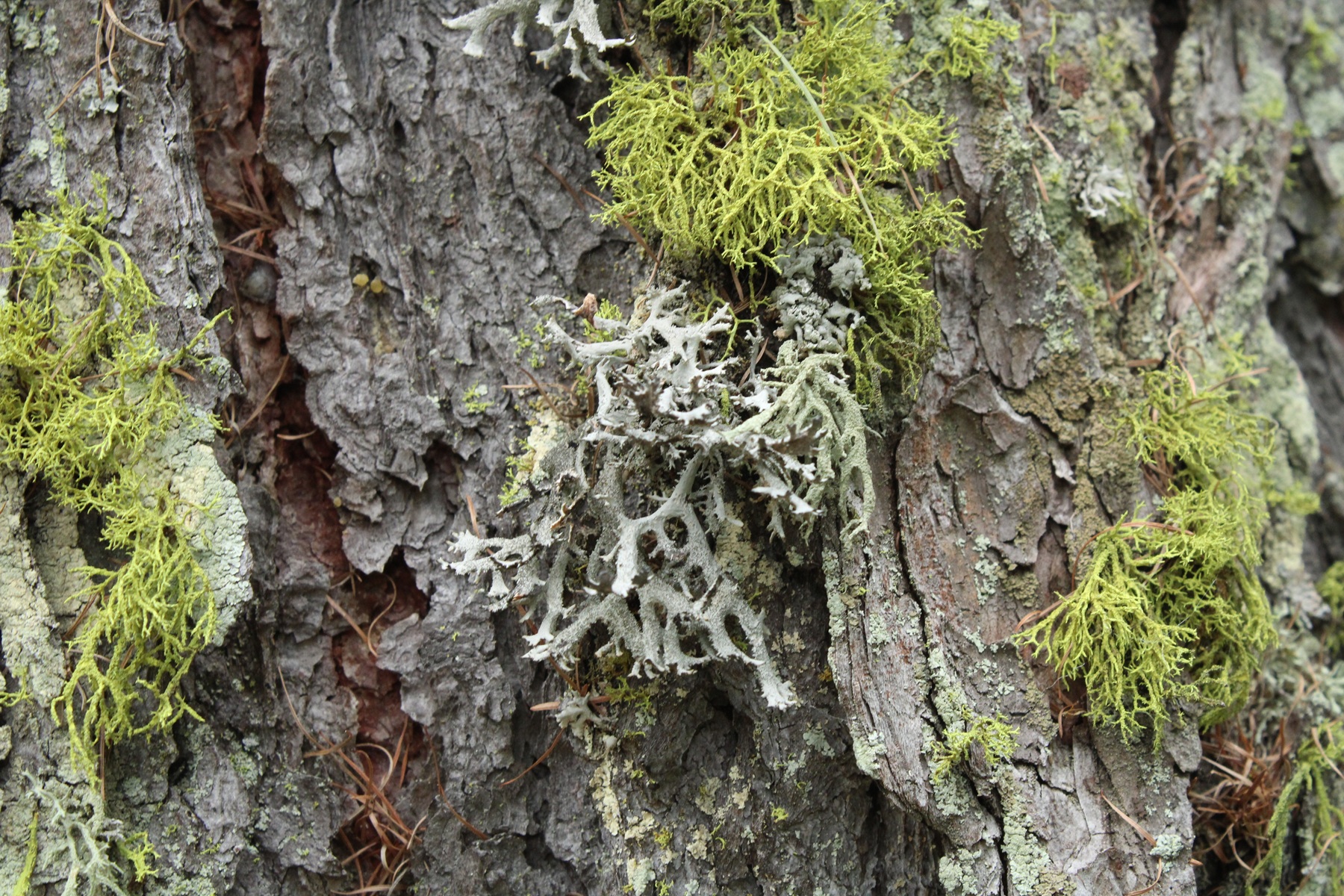
Lichens are symbiotic organisms formed through the association of fungi, algae, and/or cyanobacteria, and represent one of the oldest and most widespread groups of organisms on Earth. Owing to their high sensitivity to environmental changes, particularly air quality and microclimatic conditions, epiphytic lichens—those growing on the bark of trees—are widely recognized as excellent biological indicators of the ecological condition of forest ecosystems. Their presence, absence, and abundance directly reflect local environmental conditions, making them valuable tools for biodiversity monitoring and for detecting changes occurring in forest landscapes.
Project description and objectives
As part of the South Tyrol Biodiversity Monitoring (BMS) programme, surveys of epiphytic lichen diversity were carried out in 60 forest sites distributed across South Tyrol. The main objective is to document the species composition and richness of lichen communities growing on tree bark, providing baseline data for assessing the ecological condition of the monitored forests and detecting changes over time.
Study sites and methods
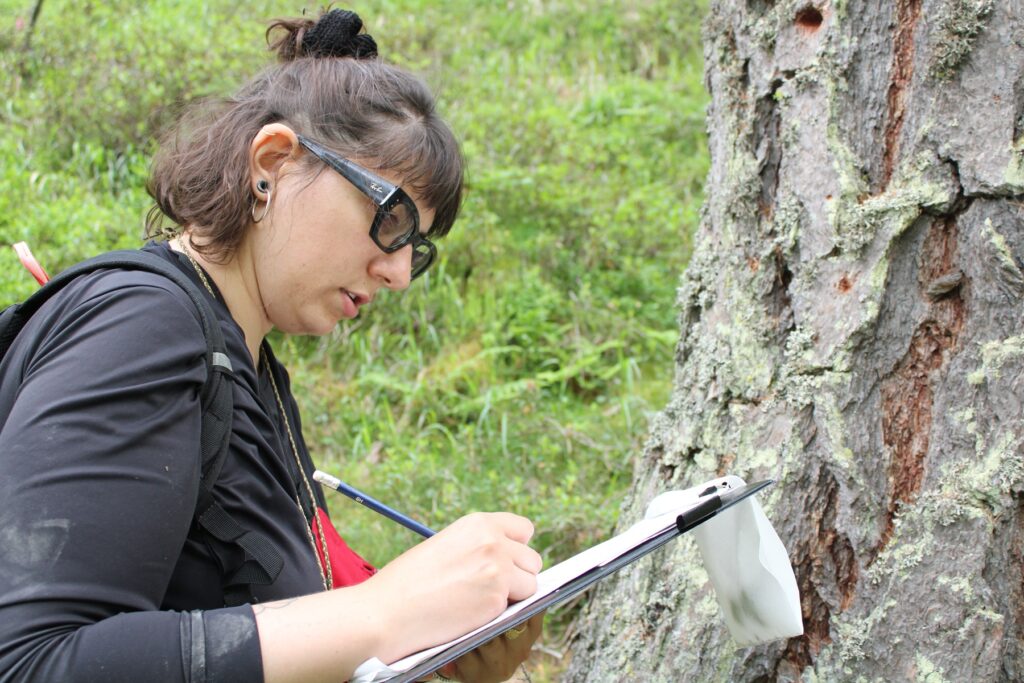
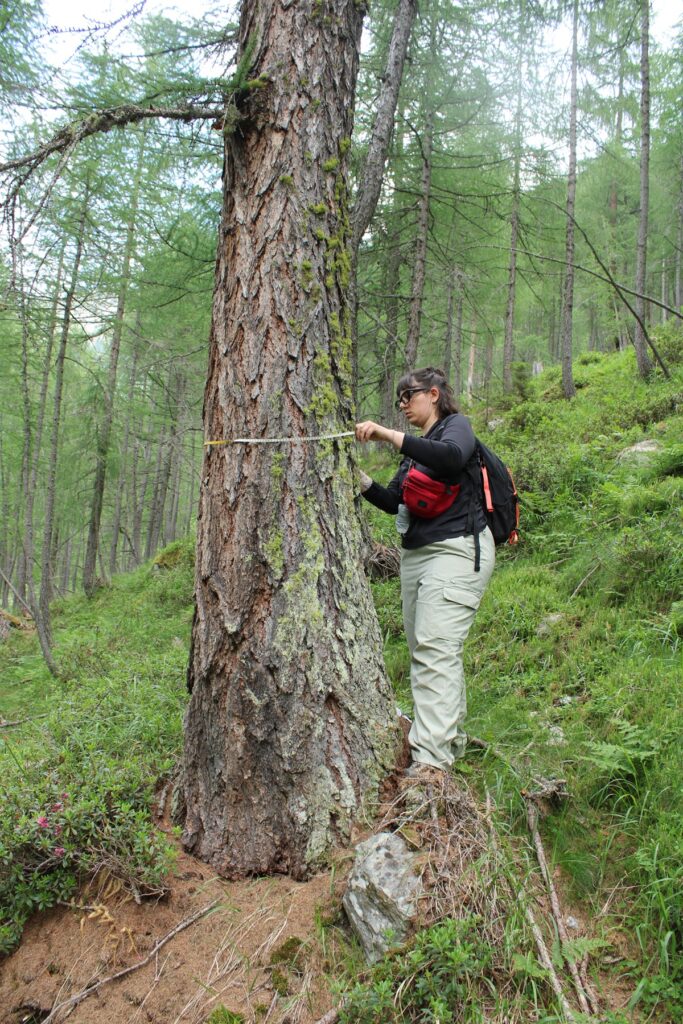
At each forest site, epiphytic lichen diversity was assessed by lichenologist Giulia Canali following the guidelines of the Lichen Biodiversity Index (LBI). This standardized method involves identifying lichen species growing on tree bark within a sampling grid placed on the four cardinal sides of the trunk. For this purpose, three lichen-covered trees with a trunk circumference of ≥ 50 cm were selected at each study site. The tree species had to be representative of the respective forest vegetation type.
This method allows direct comparisons among sites and across different monitoring periods. The collected data provide an up-to-date overview of lichen diversity in South Tyrol’s forests. They contribute to the updating of regional biodiversity databases and establish a solid foundation for future studies investigating the relationships between lichen communities and environmental variables, such as climate and soil conditions.
Contatto
Giulia Canali
Andreas Hilpold andreas.hilpold@eurac.edu
Silvia Poponessi silvia.poponessi@eurac.edu