Background and project description:
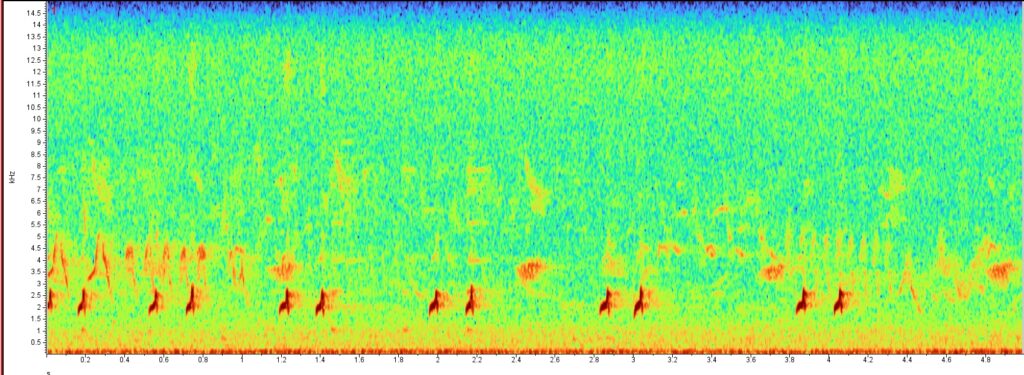
Biodiversity monitoring is being transformed by digital technologies that enable more efficient, standardized, and large-scale observations of ecosystems. Passive Acoustic Monitoring (PAM) is one of the most promising approaches, using automated sound recorders to continuously collect information on wildlife and environmental conditions. As many bird species are more readily detected by their vocalizations than by visual observations, PAM offers an effective tool for monitoring bird communities across large and often remote protected areas.
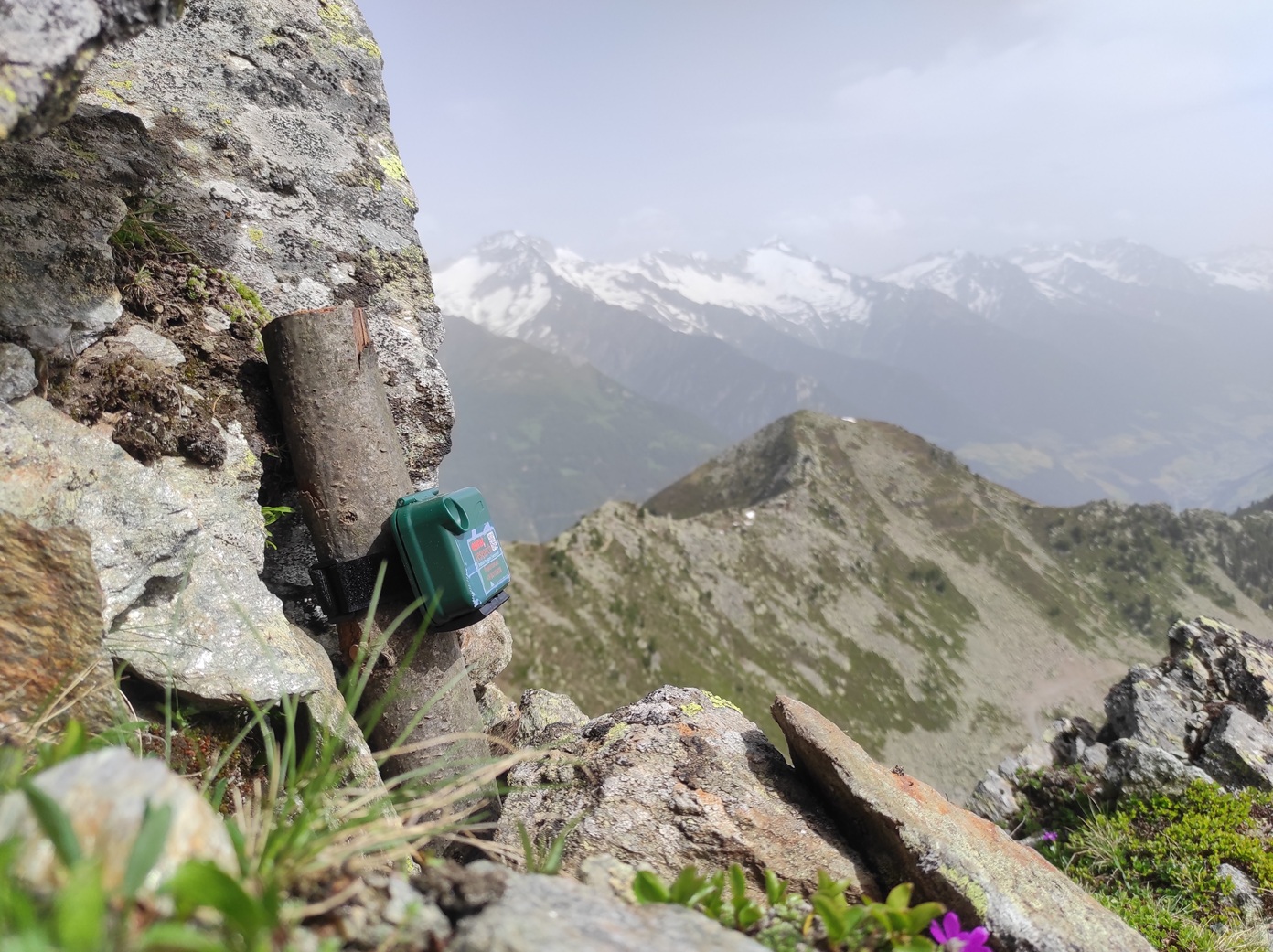
Within our project PAM is now also being applied in biodiversity surveys conducted in Italian national parks.
PAM provides a non-invasive and standardized method to assess species occurrence, track changes in bird communities, and support long-term biodiversity monitoring. Combined with traditional field surveys, acoustic monitoring improves species detection and provides a more comprehensive understanding of avian diversity. Recent advances in artificial intelligence facilitate the processing of large volumes of acoustic data, while expert validation remains essential to ensure reliable results. Together, these approaches contribute valuable information for conservation planning and the management of protected areas.
The integration of digital technologies into biodiversity monitoring provides important benefits for nature conservation. Standardized and long-term datasets enable the early detection of population declines and emerging threats, support evidence-based management decisions, and create valuable resources for research, education, and public engagement. At the same time, approaches such as Passive Acoustic Monitoring offer scalable and transferable solutions that can be applied across different regions and ecosystems. By combining technological innovation with ecological expertise, biodiversity monitoring becomes more effective, reproducible, and responsive to environmental change, strengthening the scientific foundation for conservation action.
Methods and tasks:
The project is one of the largest biodiversity monitoring initiatives ever undertaken in Italy: a national-scale acoustic monitoring programme involving 22 Italian National Parks. Thousands of autonomous sound recorders were deployed across diverse habitats, establishing a standardized framework for collecting, managing, and analysing biodiversity data at the national level. By bringing together protected area managers, researchers, technicians, and data specialists, the initiative demonstrated how innovative technologies can support large-scale conservation efforts while ensuring scientific rigor, transparency, and high data quality.
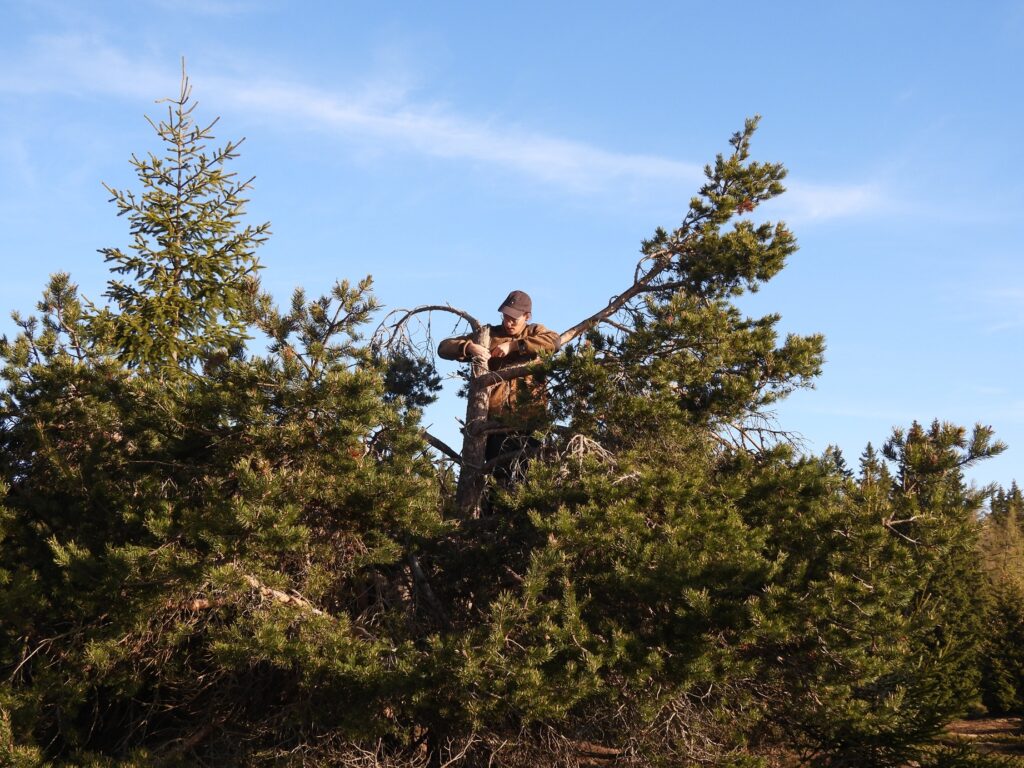
Within the project, our role was to coordinate and oversee the main scientific and technical activities required for the implementation of the monitoring programme. In particular, we were responsible for the methodological design of the sampling strategy, the coordination of field activities, and the technical support provided during the deployment, maintenance, and retrieval of the acoustic recording devices.
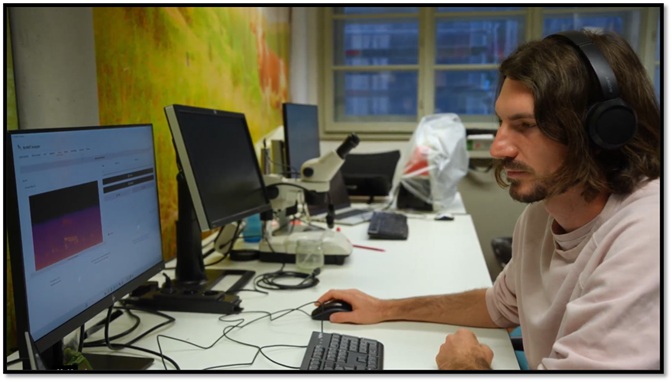
In parallel, we coordinated the processing and analysis of the collected data, including the development of ecological indicators, the validation procedures for automated species identifications, and the statistical analyses required to interpret the results. We also contributed to the preparation of operational protocols, technical manuals, and methodological guidelines aimed at ensuring the standardization of procedures and the long-term replicability of the monitoring programme across the participating parks.
Project partners:
Eurac Research (Institute for Alpine Environment), University of Milan, ISPRA (Istituto Superiore per la Protezione e la Ricerca Ambientale), Centro Studi Bionaturalistici srl, Studio Naturalistico Hyla srl, Terre.it srl, TEMI srl, Agristudio srl, Studio RDM, For Nature srl, Bioprogramm srl
Contact:
Matteo Anderle: matteo.anderle@eurac.edu
Emmanuel Requena: emmanuel.requena@eurac.edu
Jarek Scanferla: jarek.scanferla@eurac.edu