Background:
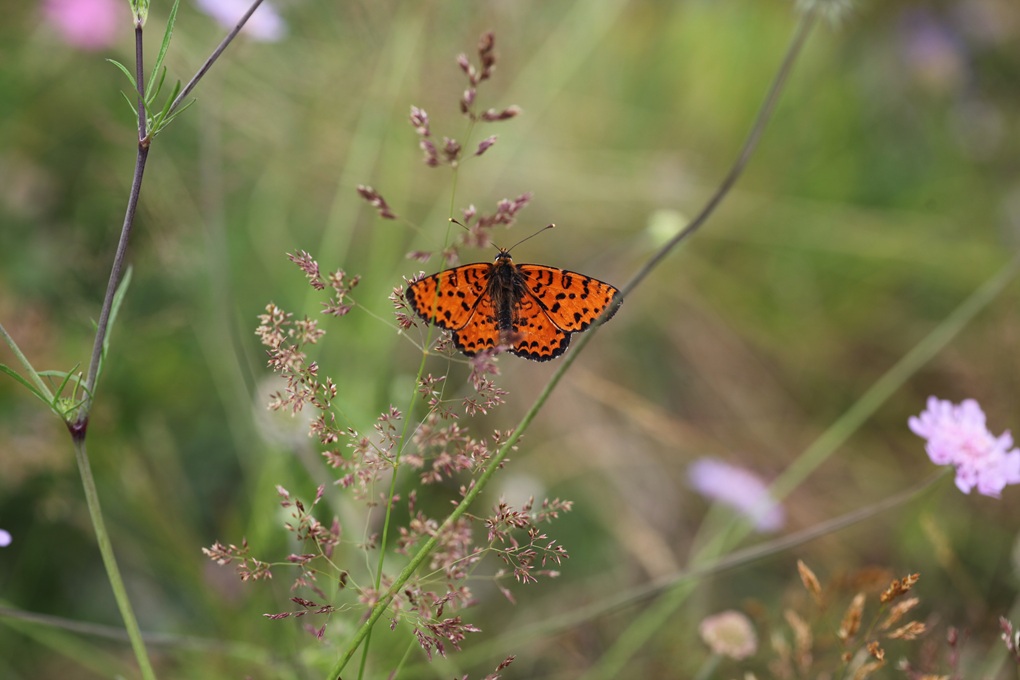
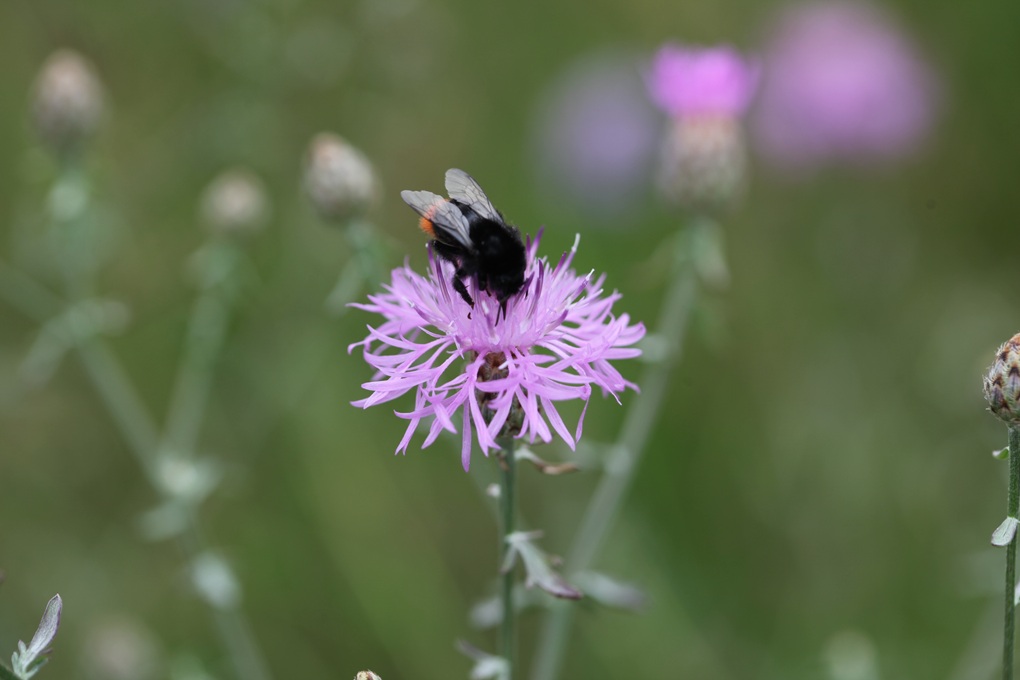
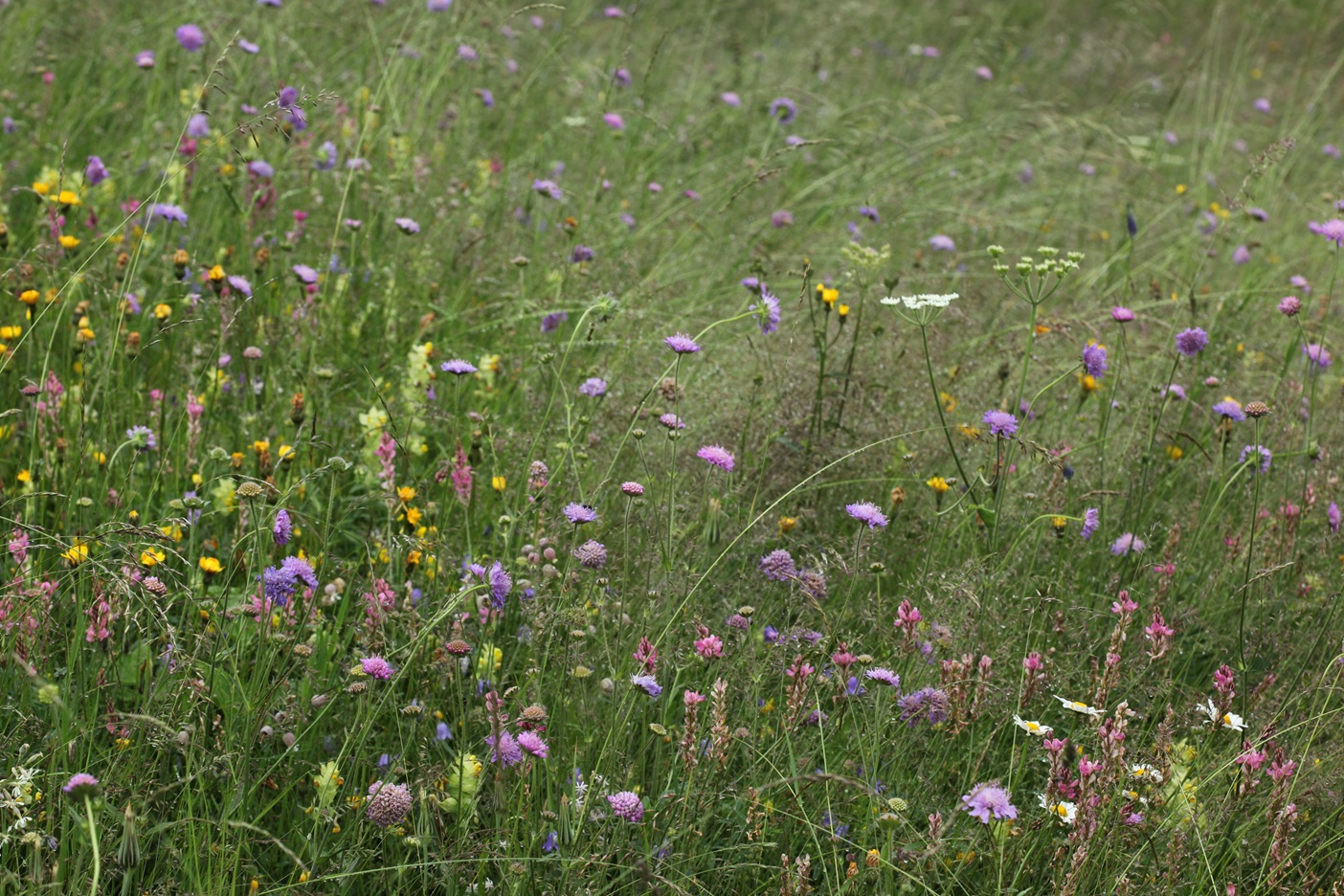
Flower meadows are species-rich grasslands with flowering herbaceous plants (commonly referred to as “flowers”). No other habitat on Earth hosts such a high number of plant species in such a small area. As part of the Biodiversity Monitoring South Tyrol, an average of 50–70 vascular plant species were recorded per 100 square meters in extensively managed meadows, along with up to 13 grasshopper species, 35 wild bee species, and up to 32 species of butterflies. Meadows are also home to numerous soil organisms such as earthworms, rove beetles, mites, and springtails. Flower meadows also provide habitat for many bird species (especially meadow-nesting birds such as yellowhammer, whinchat, and stonechat), small mammals (shrews and moles), amphibians (common toads), and reptiles (green lizards and slow worms). For centuries, this cultural landscape was widespread throughout South Tyrol, from valley floors up to alpine pastures, as it was used for hay production. These colorful, species-rich floral carpets developed mainly due to traditional land management practices, i.e. regular and careful mowing with a scythe. Without mowing, meadows would gradually become overgrown with shrubs and eventually turn into forest. Today, however, they are threatened by intensive grassland use, excessive application of organic fertilizers, reseeding with grasses, and mowing too frequently and too early. Flower meadows therefore need to be preserved through specific measures or even newly established.
Project objectives:
The joint project “Flower Meadows – prati fioriti” supports municipalities in South Tyrol in creating species-rich flower meadows on public lawns and fallow land. Wherever possible, local seed material will be used in order to preserve the genetic diversity of native plant species in the long term. Initially, the aim is to develop the necessary methods for establishing and maintaining these extensive meadows and to test them on pilot sites. In the long term, the project is intended to be replicated throughout the region. To make the collected experience widely accessible, a guideline/manual will be developed with recommendations for meadow-friendly and biodiversity-oriented management. Practical courses will be offered for gardeners and municipal maintenance staff; in addition, workshops and events will raise awareness among civil society and educational institutions. In the medium to long term, the project aims to achieve various positive ecological effects, including slowing the decline of pollinating insects.
Detailed information can be found on the website: Blumenwiesen Südtirol | prati fioriti – der Natur zuliebe
Implementation:
Under the coordination of the Federation for Nature and Environmental Protection, six different partners collaborate, each contributing their specific expertise.
- Eurac Research and the Biodiversity Monitoring South Tyrol are responsible for the scientific survey of animal and plant species in existing and newly established flower meadows.
- The BMS team also supports the partners at the Laimburg Research Centre, who are tasked with developing local seed material from native plants originating from ten different biogeographical sub-regions.
- In addition, the BMS team provides its expertise to better understand the living conditions and needs of the various animal and plant species found in flower meadows. This knowledge is used to derive concrete recommendations for more biodiversity-friendly management.
Project duration:
2024–2026 (continuation as Project 2.0 from 2027)
Partners:
Eurac Research (Institute for Alpine Environment), Federation for Nature and Environmental Protection, Stiftung Südtiroler Sparkasse, Laimburg Research Centre, Association Sortengarten Südtirol, Filiera Futura
Contact:
Andreas Hilpold: andreas.hilpold@eurac.edu