Background
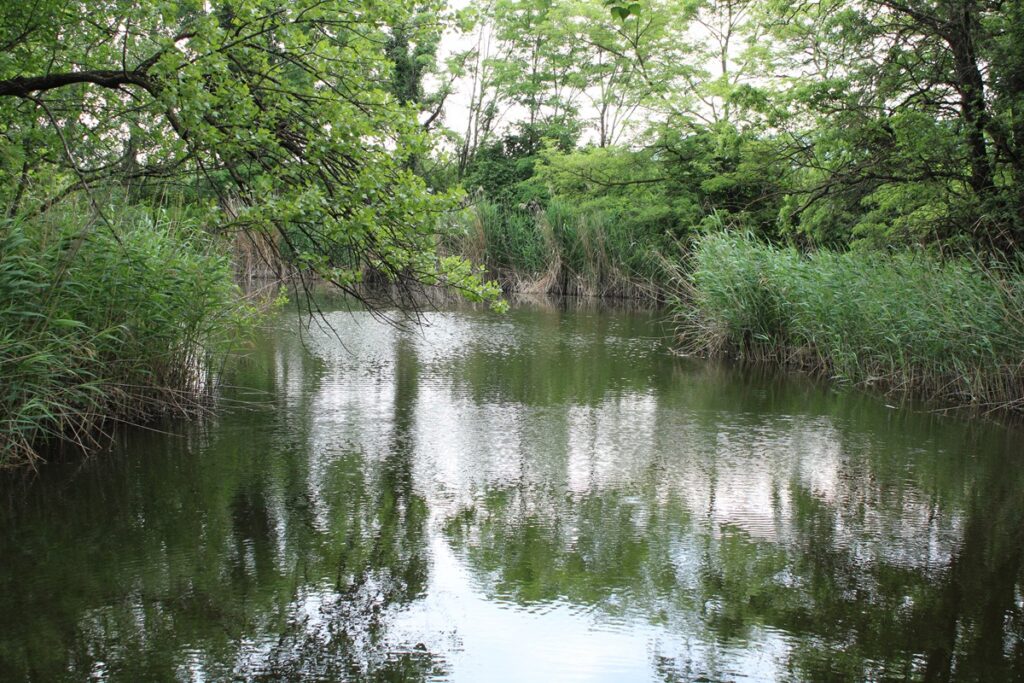
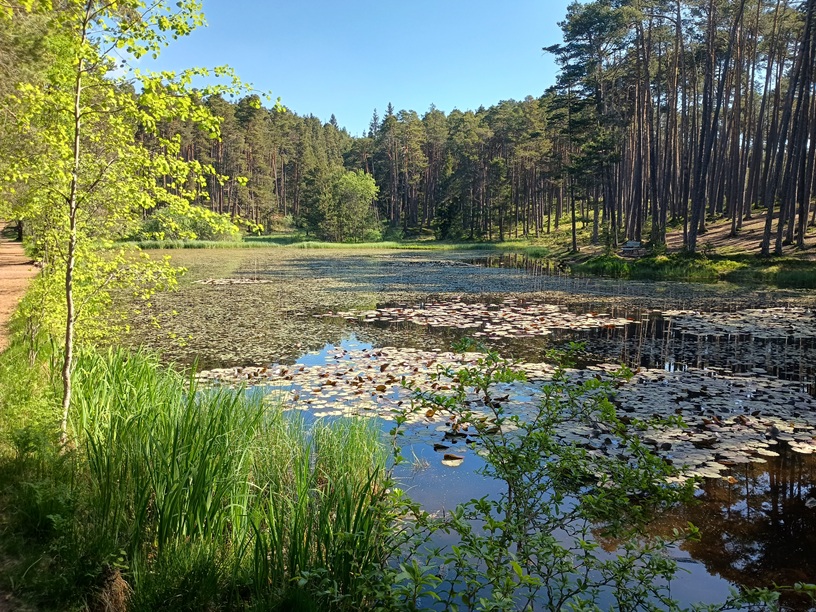
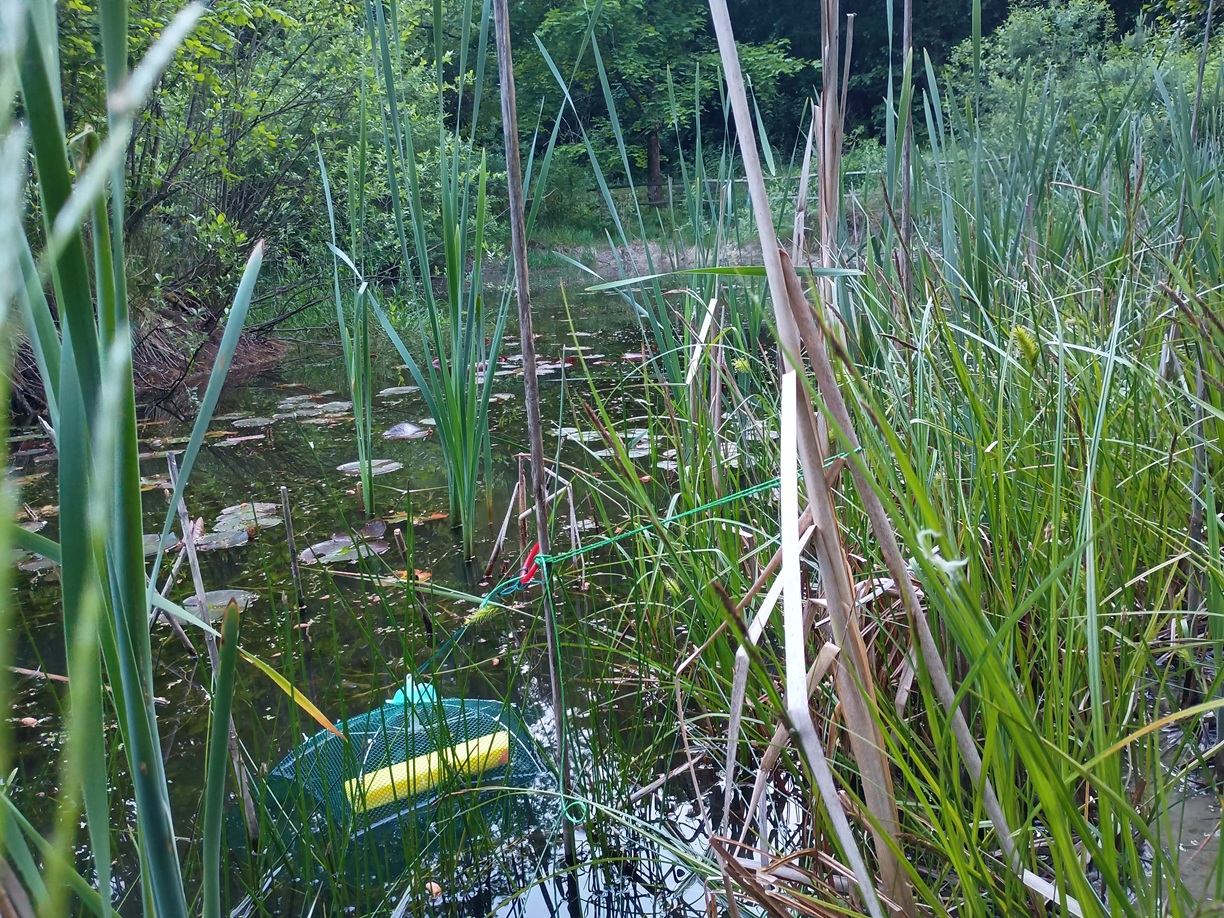
Small lakes and pools are among the most widespread freshwater habitats in Europe and also occur at different elevations in the Alpine region. In addition, there are many human-made ponds, for example for irrigation or firefighting. These small water bodies support a disproportionately high share of biodiversity. Nevertheless, they have so far been largely overlooked in European monitoring programmes, partly because they are scattered across the landscape and often relatively small. These characteristics make large-scale monitoring with conventional methods difficult and costly. As part of the European Biodiversa+ Partnership, a dedicated pilot study on small lentic water bodies has now been launched: BiodivPond.
BiodivPond aims to fill the gap in existing monitoring by testing a harmonised European approach that combines environmental DNA (eDNA), passive acoustic monitoring and citizen science. The aim is to improve the evidence base on biodiversity in small lakes, pools and the surrounding wetlands, while assessing the effectiveness and applicability of both traditional and innovative monitoring methods. In the long term, this will support the development of more targeted conservation and restoration measures for small water bodies.
Project Description and Objectives
As part of this pilot study, the BMS team will investigate a total of six sites in South Tyrol. These include both naturally formed lakes and artificial ponds: the biotops lake Mitterstieler and Kemater Weiher on the Renon plateau, Großloch in Egna/Laghetti, the Castelfeder pond near Montagna, as well as one pond in the Monticolo forest near Appiano and another at Matschatsch near Caldaro. The pilot project is intended not only to provide monitoring data on different groups of organisms, but also to pursue a number of broader objectives:
- establish a cross-border network for monitoring small lentic water bodies in Europe;
- develop a citizen science-based monitoring system for ponds;
- create shared open-access infrastructures for genomic and acoustic data;
- test workflows for integrating eDNA and acoustic data into biodiversity databases and European monitoring programmes;
- develop user-friendly visualisation tools for biodiversity data.
Main Activities and Methods
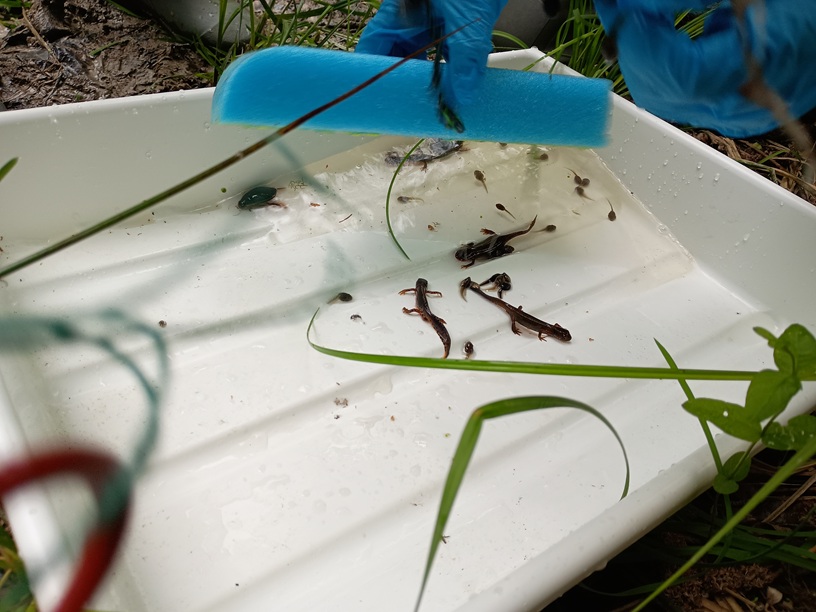
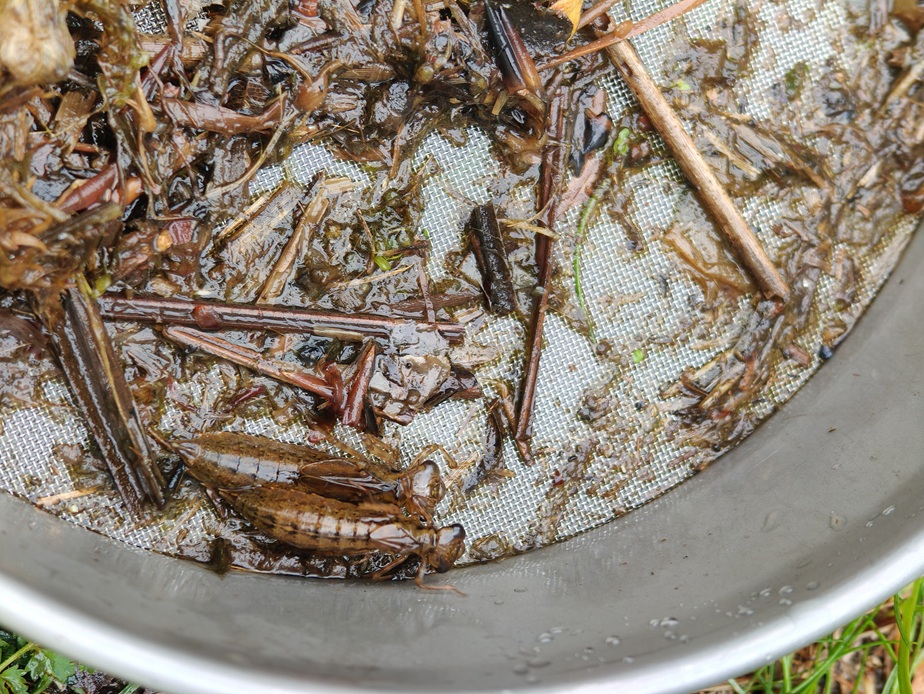
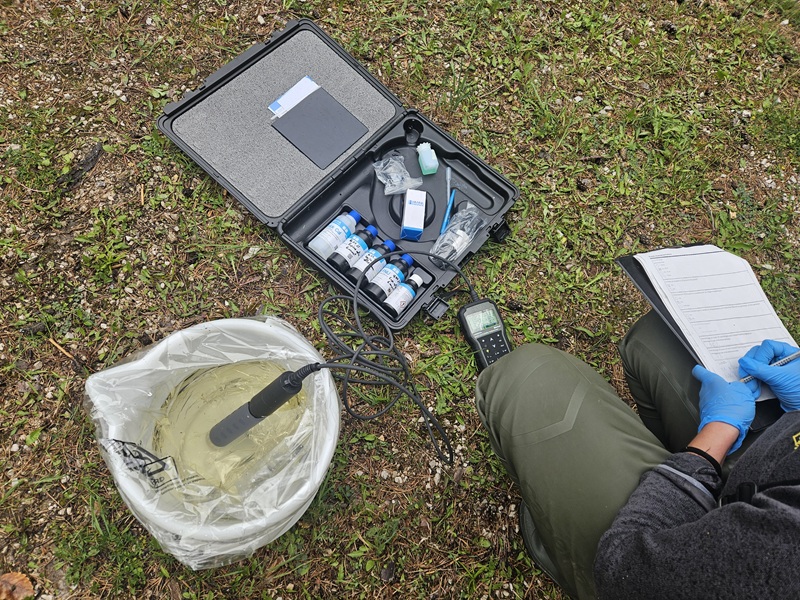
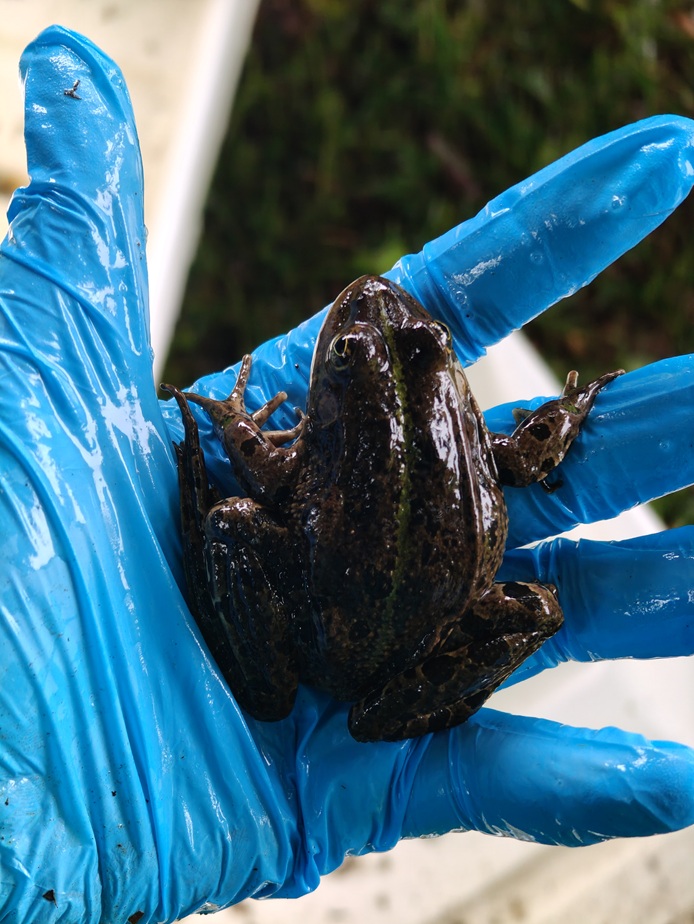
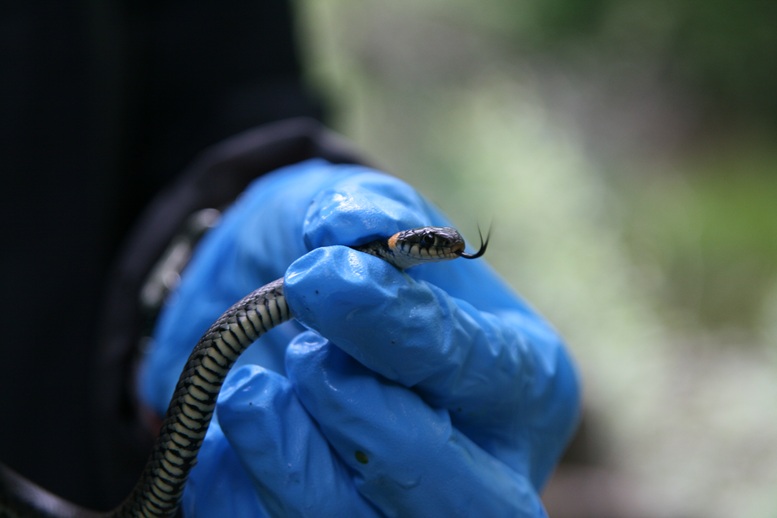
BiodivPond is divided into three modules:The first module focuses on aquatic biodiversity in six reference ponds per country. Water eDNA and conventional field methods are used to survey amphibians, fish and aquatic macroinvertebrates, as well as aquatic and surrounding vegetation.
The second module uses passive acoustic monitoring (PAM) to investigate bat activity at the same sites.
The third module extends monitoring to around 50 additional ponds in South Tyrol through citizen science. This work is supported by training courses and workshops, as well as the provision of information and teaching materials.
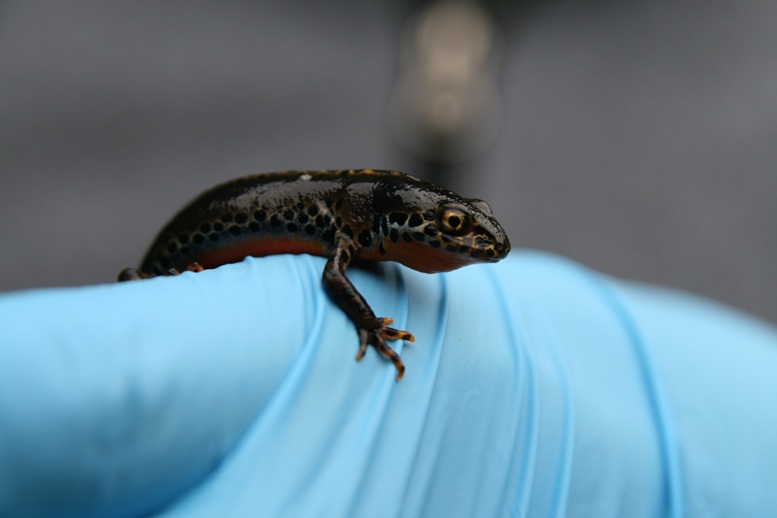
By combining these different activities, the project will assess how innovative methods can support comparable monitoring of standing-water ecosystems across Europe. The pilot project will produce a report evaluating eDNA, passive acoustic monitoring and conventional survey methods. It will also develop practical guidelines for citizen science activities and specific tools for newt monitoring.
Project Duration and Partners:
The pilot study will run from 2026 to 2028. BiodivPond is coordinated by the Nature Conservation Agency of the Czech Republic (Agentura ochrany přírody a krajiny České republiky – (AOPK ČR). Partners from ten countries are involved: Belgium (Flanders), Bulgaria, Croatia, the Czech Republic, Denmark, France, Israel, Italy (Autonomous Province of Bolzano), Slovakia and Sweden.
Link: BiodivPond pilot – Biodiversa+
Contact:
Michele Bresadola (michele.bresadola@eurac.edu)
Andreas Hilpold (andreas.hilpold@eurac.edu)